
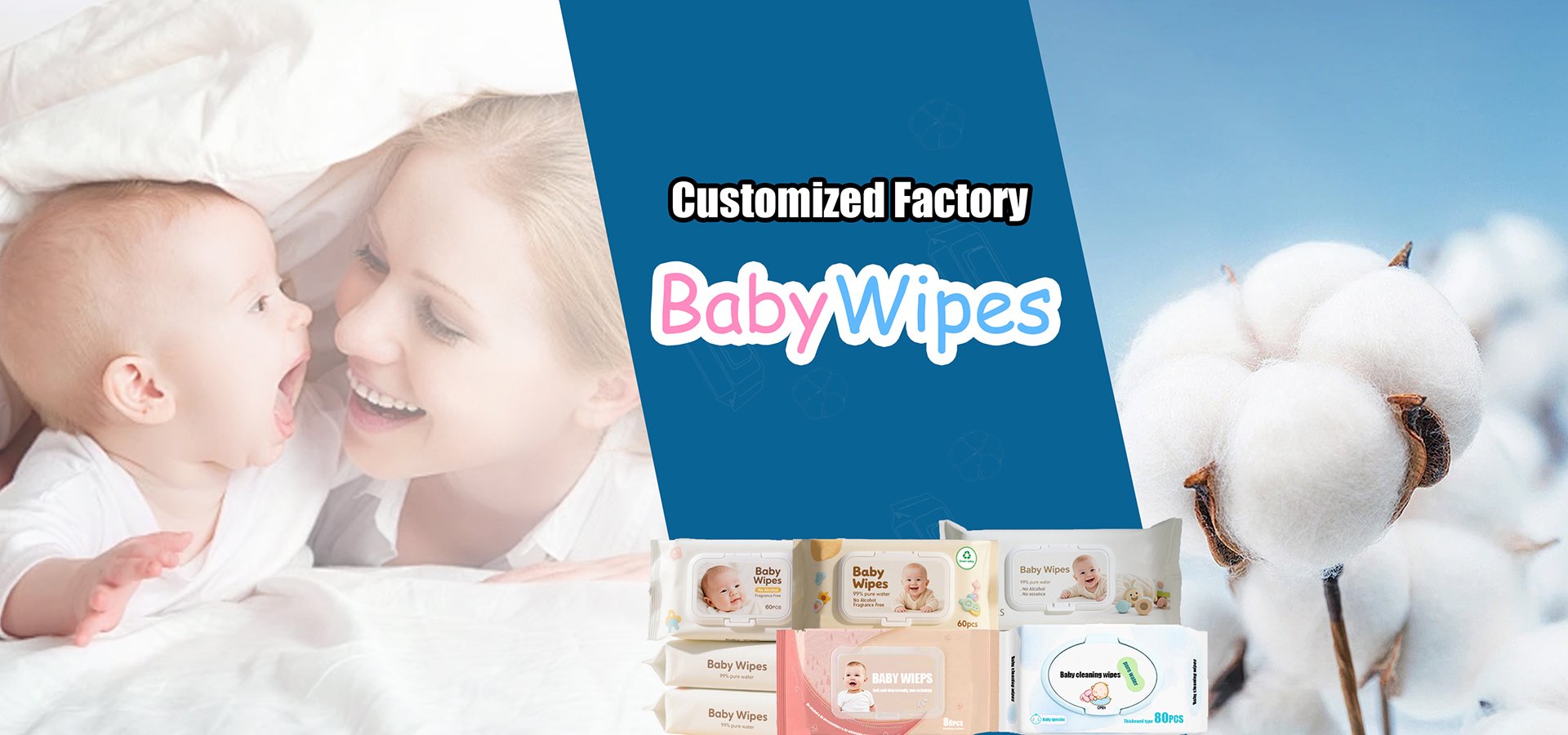
Understanding Your Business Needs for OEM Wet Wipes
Identifying precise business requirements is crucial when selecting an OEM wet wipes manufacturer. Clearly defining your brand's needs will provide a roadmap for choosing the right supplier.
Define Your Target Market
Understanding your target demographic helps tailor your wet wipes products. Consider factors such as age group, usage context, and specific requirements that differentiate your brand.
Long-term Brand Goals
Aligning your production with long-term brand aspirations ensures consistent product development. Consider scalability, brand image, and market expansion when setting these goals.
Evaluating Manufacturer Expertise in Wet Wipes Production
A manufacturer's expertise is a key determinant of product quality and innovation. Evaluating their experience and track record is essential.
Years of Experience
Experience in the industry often correlates with reliability. Manufacturers with extensive histories generally have refined processes and established quality control measures.
Diverse Product Portfolio
A diversified portfolio indicates a factory's capability to manage different product lines. This versatility can be crucial for brands looking to expand offerings.
Customization Options Offered by Manufacturers
Customization is vital for OEM products to align with brand identity. Evaluating the options a factory offers for personalization is essential.
Formulation and Ingredients
Consider whether the supplier offers customization in terms of ingredients, especially if natural or hypoallergenic formulas are a priority for your brand.
Packaging and Design Flexibility
Packaging plays a significant role in product appeal. A supplier who offers diverse packaging options provides the flexibility needed to meet different market demands.
Quality Assurance and Control Measures
Quality assurance is critical to maintaining product standards. An OEM supplier's quality control processes must be scrutinized.
Testing and Validation Processes
Ensure the factory conducts rigorous testing to validate product safety and effectiveness. Regular quality audits are a sign of a reliable supplier.
Certifications and Standards
ISO and GMP certifications are indicators of adherence to international quality standards. Choose factories that hold these certifications to ensure consistent quality.
Sustainability and Ethical Practices in Manufacturing
Modern consumers are increasingly concerned with sustainability. Assessing a factory's commitment to ethical manufacturing practices is crucial.
Eco-friendly Materials
Prioritize suppliers that use biodegradable and sustainably sourced materials. This aligns with consumer demand for environmentally responsible products.
Labor Practices
Ensure that the supplier adheres to fair labor practices. Ethical treatment of workers not only aligns with brand values but also enhances company reputation.
Technological Capabilities and Production Capacity
Advanced technological capabilities and sufficient production capacity are essential for meeting demand and ensuring timely deliveries.
State-of-the-Art Facilities
Evaluate if the factory uses cutting-edge technology in their production processes. This often leads to higher efficiency and product innovation.
Scale of Production
Ensure the supplier can handle your required production volume, especially if rapid scaling is anticipated. Monthly production capacity should meet or exceed your needs.
Effective Communication and Partnership Dynamics
Successful partnerships rely on transparent communication and strong relationship management between brands and suppliers.
Clear Communication Channels
Establishing regular and structured communication channels with the factory helps preempt challenges and ensures smooth operations.
Partnership Flexibility
A supplier's willingness to adapt to changing needs and accommodate special requests can be a significant advantage in a dynamic market.
Regulatory Compliance and Market Access
Regulatory compliance is critical for accessing various markets. Ensure your supplier adheres to international standards.
Understanding Market Regulations
Choose a supplier familiar with the regulatory requirements of your target markets. Compliance with safety and quality standards is non-negotiable.
Support in Certification Processes
A reliable supplier assists in obtaining necessary certifications, easing the process of entering new markets with confidence.
Importance of Onsite Visits and Facility Evaluations
Onsite evaluations offer insights into a factory's operations, quality controls, and organizational culture.
Firsthand Inspection
Visiting the manufacturing site allows for direct observation of production processes, quality control measures, and working conditions.
Cultural and Operational Fit
Assessing the cultural alignment and operational practices of a supplier ensures a good fit for long-term partnership success.
Negotiating Terms and Contractual Agreements
The terms of your agreement with an OEM supplier must be comprehensive and clearly defined.
Key Contractual Elements
Ensure that the contract covers payment terms, delivery schedules, quality benchmarks, and dispute resolution mechanisms.
Confidentiality and Proprietary Rights
Protect your brand's formulations and proprietary information through rigorous confidentiality clauses and intellectual property agreements.
SXORP Provide Solutions
At SXORP, we specialize in connecting brands with top-tier OEM wet wipe suppliers that match their exact requirements. Our experts assist in every phase, from defining your business needs to assessing potential factories. We ensure all partners meet strict quality standards, offer robust customization, and share a commitment to sustainability. Our strategic consultations help you navigate regulatory landscapes and facilitate productive partnerships, ensuring your brand's success in the competitive wet wipe market.
Post time: 2025-09-17 11:39:38