
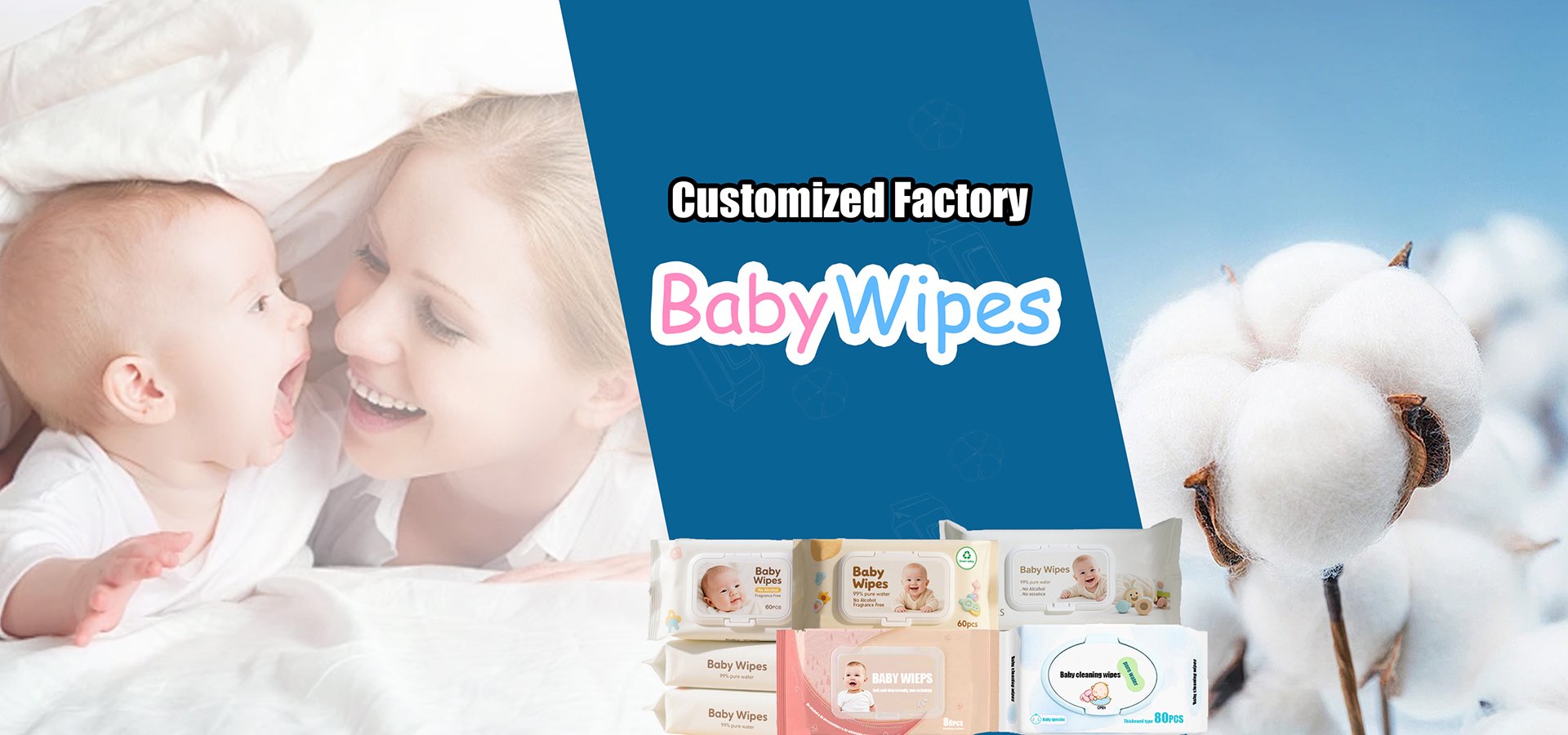
Individually Packaged Wet Wipes: A Germ Prevention Powerhouse
Individually packaged wet wipes are revolutionizing the way we approach sanitation, offering a practical and reliable method to curb the spread of germs. Free from the risk of contamination or drying out, these wipes are prepped with cleansing and moisturizing agents to remove germs effectively without the necessity for additional water or soap.
The Science of Germ Removal
Wet wipes are infused with water and active cleansing ingredients, which work by disrupting bacterial cell walls and viral membranes. This scientific process effectively neutralizes most pathogens upon contact. Antimicrobial wipes typically contain alcohol or quaternary ammonium compounds, ensuring broad-spectrum germ efficacy.
Enhancing Hygiene in Educational Environments
- Encouraging personal hygiene through individually packaged wet wipes promotes cleanliness and responsibility among students.
- Schools have observed a 25% increase in hygiene compliance when students are provided with personal sanitation tools.
- Implementing routine use of wet wipes, such as cleaning desks, fosters daily hygiene habits and reduces germ transmission.
Environmental Implications and Sustainable Choices
While concerns about the environmental impact of wet wipes exist, there is growing demand for eco-friendly, biodegradable options. These environmentally conscious products decompose faster than traditional polyester-based wipes, reducing ecological footprints without compromising hygiene.
Financial Benefits and Waste Reduction
Schools utilizing individually packaged wet wipes report a 15% reduction in sanitation costs. This reduction comes from decreased waste and more targeted usage compared to bulk supplies, proving to be a financially savvy choice for institutions.
Impact on Student Health and Attendance
The use of wet wipes in schools contributes to lower absenteeism, with a 35% decline in sick days. Cleaner environments lead to fewer illnesses like colds and flu, enhancing student health and performance.
Composition and Safety of Wet Wipes
Understanding the composition of wet wipes is crucial for ensuring safety and effectiveness. Made from nonwoven fabrics such as polyester or polypropylene, these wipes often contain isopropyl alcohol for added protection against germs, with all ingredients undergoing rigorous safety testing.
Regulatory Standards and Consumer Trust
Regulations ensure the safety of wet wipes, with accurate labeling alerting consumers to potential allergens or harmful substances. Adherence to these standards builds consumer trust and enhances marketability.
Role in Emergency and Disaster Scenarios
In disaster situations, wet wipes provide a vital hygiene solution by ensuring cleanliness where water is scarce. Aid workers rely on their effectiveness and convenience to maintain sanitary conditions during relief efforts.
Advancements and Future Trends in the Wet Wipes Market
The wet wipes industry is embracing innovations focused on enhancing functionality and sustainability. Advancements in biodegradable packaging and germ-fighting formulations align with consumer demands, influencing factory production and exporter strategies.
SXORP: Leading the Way in Hygiene Solutions
SXORP offers a range of individually packaged wet wipes, emphasizing eco-friendly materials and superior germ-fighting capabilities. Tailoring solutions for schools, disaster relief, and public spaces, SXORP remains at the forefront of hygiene innovation, providing customized and flexible options.
Post time: 2025-09-17 11:41:47