
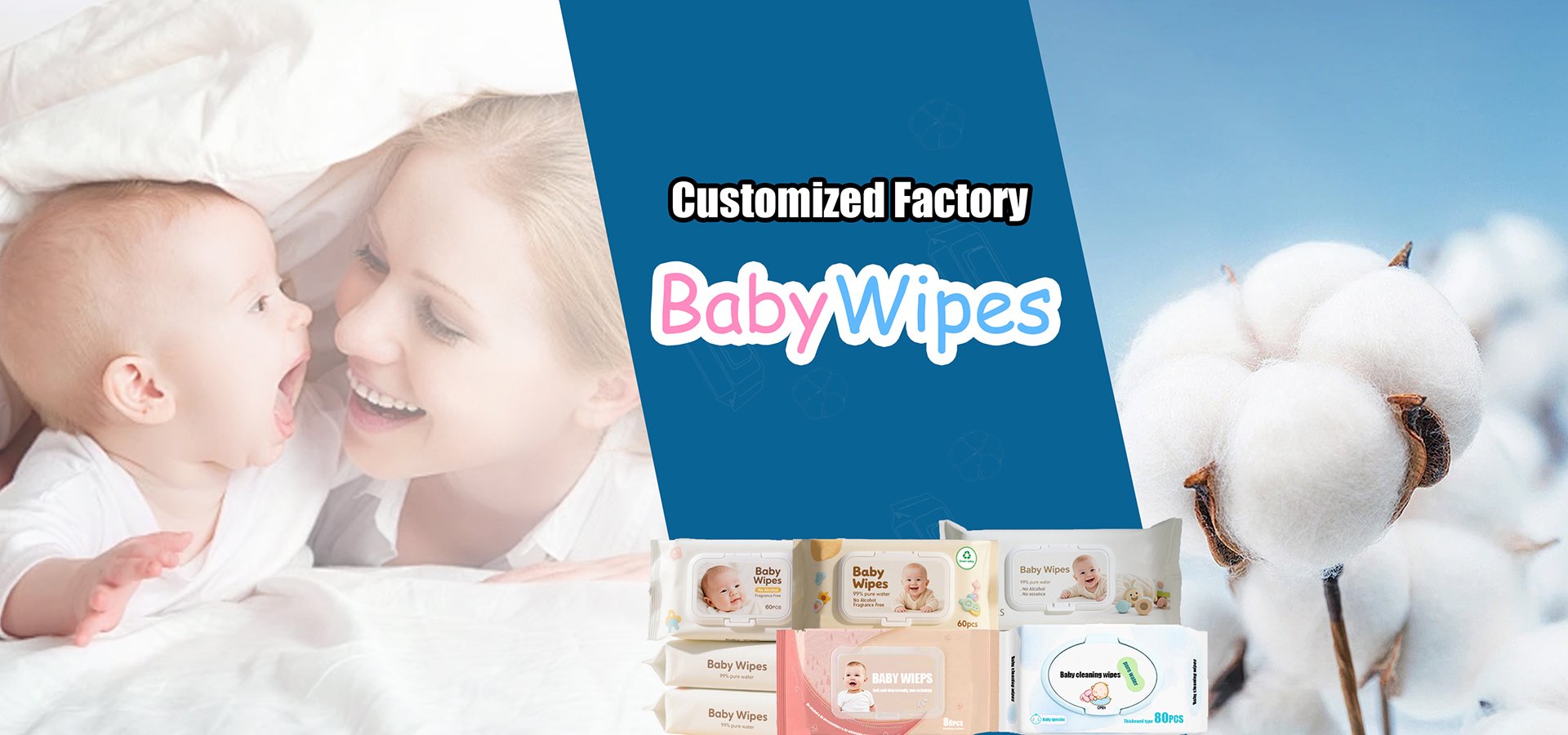
Evolution of Flushable Wipes Manufacturing
The manufacturing of flushable wipes has shown remarkable advancements over the years. Driven by the increasing demand for high-quality and convenient products that align with environmental sustainability, the industry has shifted from using basic non-woven materials to more advanced biodegradable options. This evolution reflects a broader trend toward eco-friendly products, with the global wet wipes market projected to grow at an annual rate of 6%, highlighting the need for innovative solutions in flushable wipes manufacturing.
Initial Manufacturing Challenges
Initially, creating flushable wipes that disintegrate in water while maintaining performance posed technical challenges. Traditional wipes made from synthetic fibers like polyester led to environmental and plumbing issues due to their non-biodegradable nature and propensity to cause sewage blockages.
Transition to Sustainable Materials
In response, manufacturers invested in research and development to create wipes from renewable resources like bamboo, cotton, and wood pulp. This shift marked a significant step in addressing environmental concerns and consumer demands for sustainable products.
Environmental Challenges of Flushable Wipes
- Sewer System Impacts: Non-flushable wipes contribute to sewer blockages, costing municipal systems up to $1 billion annually. Flushable wipes, while better, still face challenges if not designed to fully disintegrate.
- Microplastic Pollution: Traditional wipes made from synthetic fibers can release microplastics into waterways, exacerbating environmental issues. The shift to biodegradable and compostable materials aims to mitigate this impact.
Innovations in Material Composition
Recent years have seen significant improvements in the material composition of flushable wipes, focusing on enhancing both performance and environmental impact.
- Biodegradable and Compostable Materials: Manufacturers are increasingly using natural fibers like bamboo and wood pulp, which decompose faster than synthetic materials, providing high quality without the environmental footprint.
- Advanced Binder Technologies: New binder technologies ensure that flushable wipes maintain structural integrity in use but disintegrate rapidly in water, reducing sewer blockages and environmental harm.
Development of Plant-Based Formulations
Significant progress has been made in developing plant-based formulations for the wetting solutions in flushable wipes.
- Natural Cleaning Agents: Plant-based alternatives like aloe vera and tea tree oil are now used, offering effective cleaning with fewer environmental concerns.
- Hypoallergenic Ingredients: Manufacturers incorporate hypoallergenic ingredients to suit a wider range of skin types, enhancing product customizability for sensitive skin.
Advancements in Sustainable Packaging
Packaging innovation is another focus area for manufacturers aiming to reduce the environmental impact of flushable wipes.
- Recyclable and Biodegradable Options: Recycled materials or biodegradable packaging solutions are replacing traditional plastics, which have contributed significantly to environmental pollution.
- Reduced Plastics Use: Efforts to minimize plastic include using cardboard boxes with plant-based linings, offering durability without adverse environmental effects.
Water Conservation in Wipes Production
Water usage in flushable wipes production is critical, with increased focus on sustainability.
- Reduced Water Content: Manufacturers aim to lower water content in wipes without compromising performance, conserving resources and reducing impact.
- Recycled Water Use: Recycling water within manufacturing processes aligns with global sustainability goals, ensuring high-quality products.
Certification and Consumer Awareness
Environmentally-conscious consumers demand product transparency, prompting manufacturers to seek certifications validating their eco-friendly claims.
- Accreditation and Standards: Certifications like the Forest Stewardship Council (FSC) assure responsible sourcing, while the Global Organic Textile Standard (GOTS) certifies organic fiber use.
- Educating the Consumer: Manufacturers engage in campaigns to educate about proper disposal methods, reducing plumbing issues and environmental damage.
Enhancing Performance and Skin Care
Manufacturers continuously refine flushable wipes performance to meet diverse consumer needs while maintaining quality.
- Improved Cleaning Efficacy: Advances in material and formula composition enhance cleaning power, making wipes more effective for hygiene maintenance.
- Specialized Health Solutions: Flushable wipes are available for diverse applications, including those for sensitive skin and specific health needs.
Regulatory and Policy Impacts
The regulatory landscape strongly influences the flushable wipes industry, focusing on environmental impacts and consumer safety.
- Compliance with Environmental Regulations: Manufacturers must adhere to increasing regulations on material usage and disposal, ensuring safety for sewer systems and reduced environmental harm.
- Consumer Protection Policies: Policies mandating clear labeling and consumer information enable informed decisions, reducing improper disposal and environmental risks.
Future Directions for Sustainable Wipes
The future of flushable wipes focuses on balancing high quality and convenience with environmental sustainability. Continued innovation in materials and processes is essential to meet growing consumer demands and regulatory requirements.
- Ongoing Research and Development: Investment in R&D to explore new materials and technologies will drive future growth and sustainability in the flushable wipes market.
- Integration of Smart Technologies: Smart technologies in production processes may improve efficiency and further reduce environmental impacts.
By partnering with SXORP, you can access custom, high-quality solutions tailored to your business needs, ensuring compliance with stringent regulatory standards while meeting consumer demands for environmentally sustainable products.
Post time: 2025-09-17 11:38:00