
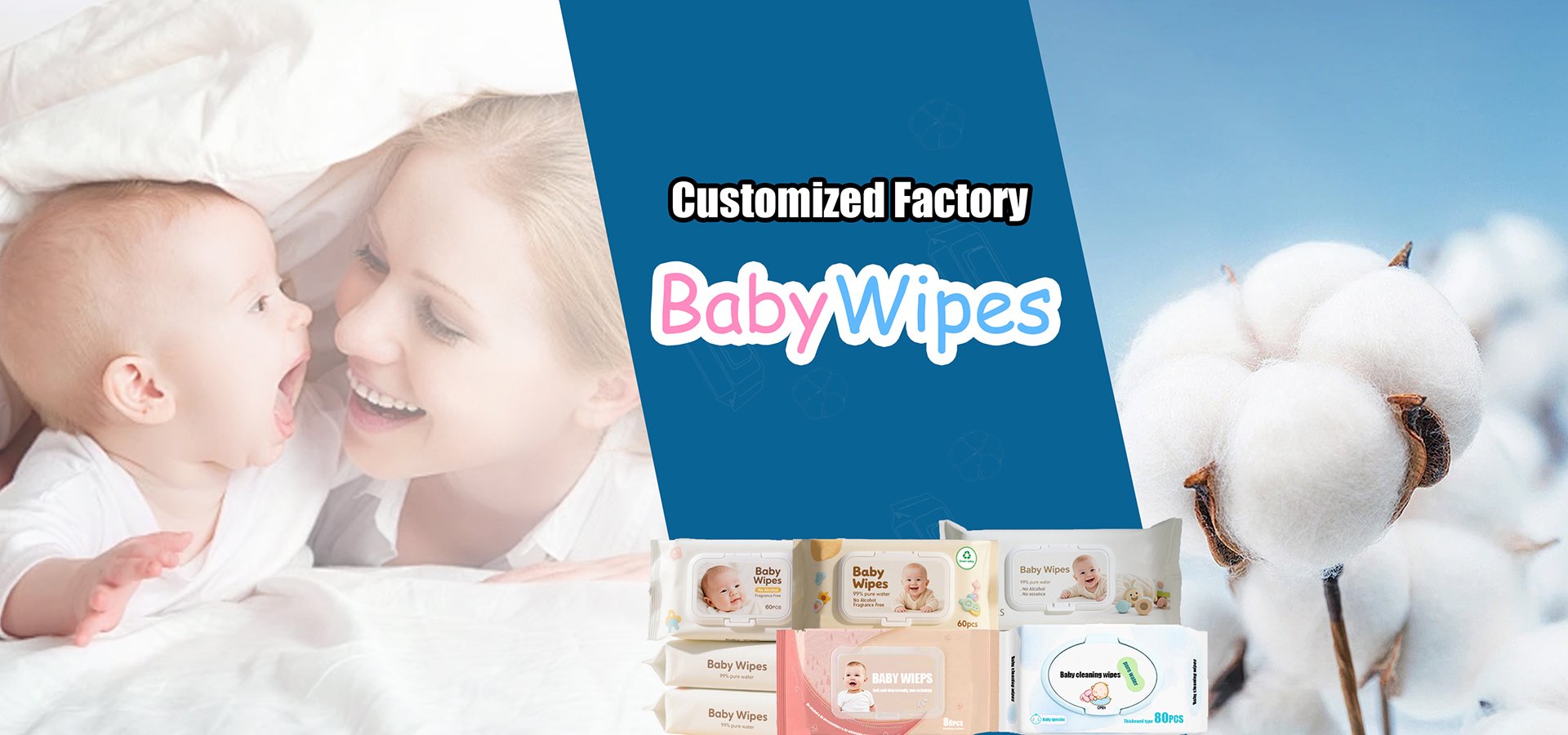
The Rise of Baby Wipes in Adult Hygiene
Baby wipes, once exclusive to infant care, have surged in popularity among adults seeking alternative toilet solutions. Their soft texture and effective cleaning properties have made them appealing for personal hygiene. However, understanding factors like composition, cost, and environmental impact is crucial before making the switch.
Composition of Baby Wipes: Key Ingredients
- Formulation and Ingredients: Most baby wipes are manufactured using rayon and polyester, infused with gentle lotions or mild cleansing agents. The alcohol-free formulation is designed to prevent irritation, catering to the sensitive skin of infants and adults alike.
- Moisturizing and Scent Additives: Additives like aloe or chamomile offer moisturizing benefits, useful for dry or sensitive skin. Fragrance-free versions are available to reduce the risk of allergic reactions, allowing for personalized product choices.
Benefits of Baby Wipes for Adults
- Enhanced Cleaning Efficiency: Baby wipes outperform traditional toilet paper due to their moisture content, offering a more thorough and efficient clean, which reduces skin irritation.
- Skin Health Considerations: Ideal for adults with conditions like eczema, the gentle formulation maintains skin hydration and minimizes abrasions.
Environmental Concerns of Baby Wipes
- Biodegradability and Waste Impact: While beneficial, most wipes are non-biodegradable, contributing to landfill waste. Few are sustainably designed, as cost-efficiency often takes precedence over ecological responsibility.
- Flushability Issues: Despite marketing claims, wipes cause plumbing blockages and pose significant risks to sewage systems compared to quickly degrading toilet paper.
Cost Implications of Baby Wipes Usage
- Price Comparison with Toilet Paper: Baby wipes are generally costlier than toilet paper. Regular use can lead to significant expenses over time, especially when purchasing in bulk.
Health Considerations: Allergies and Reactions
- Potential for Skin Irritation: Despite their gentle design, some wipes may cause allergies due to additives. Testing on a small skin area before use is advisable.
- Antibacterial Properties and Misuse: Though antibacterial agents are present, baby wipes cannot replace soap and water. They should complement proper hygiene practices.
Alternative Hygiene Products
- Bidets and Washlets: Water-based cleaning alternatives like bidets offer an eco-friendlier option, reducing paper waste.
- Reusable Cloths: While requiring more effort, reusable cloths significantly minimize disposable waste with proper sanitation practices.
Changing Hygiene Perceptions
The growing acceptance of baby wipes in adult routines signifies a shift towards convenience-focused lifestyles. Marketing strategies successfully position these wipes within hygiene routines, despite potential environmental impacts.
Conclusion: Weighing Your Options
Incorporating baby wipes into adult hygiene routines can be beneficial, but it's essential to consider environmental, health, and economic factors. Custom solutions offer a balance between comfort and sustainability.
SXORP provides high-quality, eco-friendly hygiene solutions tailored to diverse needs, ensuring comfort and environmental responsibility. Choose SXORP for innovative and sustainable hygiene alternatives.
Post time: 2025-09-17 11:33:21